03/11/2026
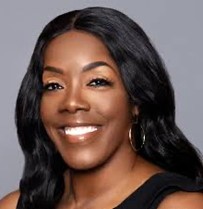
Dr. Tracy Hudson on Uplifting Voices: Black Sororities, Belonging, and the Work of Justice
What does it mean to belong?
Thanks to the leadership of Dr. Tracy Hudson of the Physical Education Department here at SUNY Cortland, our campus recently hosted a powerful conversation on the historical and ongoing impact of Black sororities and fraternities often known collectively as the Divine Nine. Dr. Hudson not only brought these speakers to campus, but also shared her own experience as a member of a Black sorority.
Historically, Black women have been marginalized even within movements that claimed to fight for equality. During the 1913 Women’s Suffrage March, Black women were asked to march in the back. And yet, they still showed up with courage and marched! They demanded justice. As Malcolm X once stated, “The most disrespected person in America is the Black woman.” This example of historical devaluing makes the presence, leadership, and scholarship of Black women in higher education all the more significant.
Black sororities were founded not simply for social connection, but for academic excellence, leadership development, and lifelong service. They were incorporated with purpose, dedication and passion. They built community when community was denied. They created networks of mentorship and support that extend far beyond campus. They stood and continue to stand as foundations for advocacy, scholarship, and collective empowerment.
Dr. Hudson spoke about belonging as something intentional, something cultivated. Sororities offer spaces where identity is affirmed rather than questioned, where members are seen, honored, and supported. In a world that has historically devalued Black women, these organizations create environments that say: We see you and We honor you.
A central theme of the event was listening through the lens of intersectionality understanding how race, gender, and other identities shape lived experience. There are persistent myths that Black sororities are primarily social organizations centered around parties or events. In reality, they are grounded in the heart of scholarship, leadership, and a lifetime commitment to community service. Their impact reaches into classrooms, neighborhoods, and professional spaces. It is intentional and continues post graduation.
The most compelling aspect was the reminder that uplifting voices is active work that is essential to be continued. It requires courage, strength, dedication and collaboration. It requires seeing the bigger picture. As reflected throughout the entire discussion, love is not simply a feeling; it is expressed through service, advocacy, and standing up for justice.
Through the Philosophy lens: this conversation poses important questions: How do we cultivate true belonging? How do we affirm voices that history has attempted to silence? And how do we move from theory to practice?
Through her leadership and testimony, Dr. Tracy Hudson helped bring these questions to the forefront reminding us that community is not accidental. It is built with people that want to make a change and see equality!