Not Gonna Hide My Pride: Red Dragons Reflect on National Coming Out Day
Sponsored by the Sexual Orientation, Gender Identity and Expression (SOGIE) Committee
600+ anti-LGBTQIA+ bills have been introduced in 2025 (American Civil Liberties Union, 2025). That’s why coming out STILL Matters. Laws can try to erase us, but coming out keeps us seen, strong, and supported. Our stories are powerful.
On October 11, 1987, half a million people participated in the March on Washington for Lesbian and Gay Rights. Every year on National Coming Out Day, we celebrate coming out as lesbian, gay, bisexual, transgender, queer (LGBTQ) or as an ally to promote a safe world for LGBTQIA+ individuals to live truthfully and openly.
Kyle Cannon (he/him) Gay Staff Member
What does National Coming Out Day mean to you, personally?
National Coming Out Day is not only a time to celebrate those who have already come out, but also a moment to highlight the power of representation. Just as it’s important for the LGBTQ+ community to honor our identities and express pride during celebrations in both October and June, it’s equally important to embody the love and compassion that define our community. Having found the courage to come out to our families, friends, and the world, we now have the opportunity, and responsibility, to uplift others and help those still on their journey find the strength to proudly and authentically be themselves.
What gave you the courage to come out?
My friends, my mother, and my advocacy work in college all helped shape my sense of self. Coming from a small town, college introduced me to many diverse communities that broadened by perspective. Realizing that I was surrounded by people who accepted me for who I am, and knowing that I had support no matter my sexual orientation, helped me understand that being gay is not something to be ashamed of, but something I could be proud of.
Share with us a part of your coming out experience.
Coming to terms with my sexuality was a gradual journey. I first opened up to my friends in my senior year of undergrad, and shared my truth with my family soon after.
How can friends, families, and communities better support someone during and after the coming out process? What would you say to someone who is struggling to support a loved one coming out?
Friends, families, and communities must create spaces where everyone feels safe to freely be and express themselves. Loved ones have an especially important role in offering personal support and understanding. Everyone deserves to feel valued and accepted, regardless of gender identity or sexual orientation, so they can live their lives authentically and to the fullest.
Rita Torsney-Sullivan (she/her) Straight Female Administrator and Ally
What does National Coming Out Day mean to you, personally?
A Day to celebrate acceptance and to allow folks to share their stories.
What inspired you to become an ally?
My mother raised me to accept everyone as they are. She was a nurse during the AIDS epidemic and saw how many of her coworkers did not want to help those who were in need. She did not understand how they took an oath to help all people, but did not do that in reality. These were just people who needed help and care.
How do you define allyship?
Showing up and being supportive of folks, events, and programs.
How can individuals become better allies for the LGBTQ+ community?
Everyday things: Be an ear to listen. Show up to support them. Little things like sharing National Coming Out Day on social media are easy ways to show you are an ally.
It was pretty spontaneous but also took years of trying to figure myself out in high school and community college. I knew people wouldn’t fully understand but I wanted them to at least know to get it off my chest and not feel as suffocated at family gatherings.
If you could go back and give yourself one piece of advice before coming out, what would it be?
Don't be a coward about it, own up to it and be ready to explain. Regular folks aren't gonna know what being non-binary means and are gonna ask a bunch of questions.
What responsibilities do higher education institutions (including the administration, faculty, staff, and students therein) have in supporting the LGBTQ+ community?
Be understanding, don't treat us like we're the weird ones around here or anything, we're still just regular people with regular wants and needs.
How can friends, families, and communities better support someone during and after the coming out process? What would you say to someone who is struggling to support a loved one coming out?
Be patient. And know that someone coming out might not have all the answers themself, being a human being is an ever changing and evolving process.
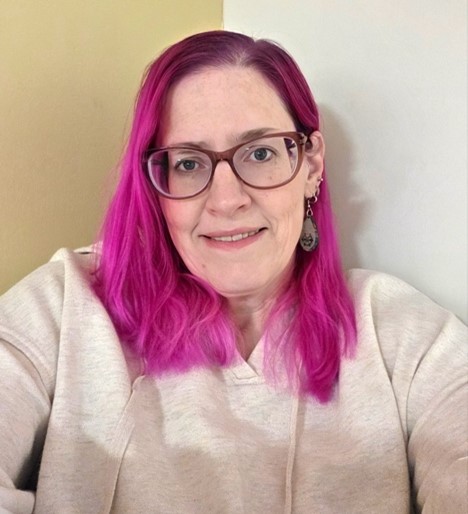
Aurora L (she/they) Bisexual Student
If you could go back and give yourself one piece of advice before coming out, what would it be?
You don’t need to label yourself for other people. You only need to label yourself if it’s something you want.
What does the future of LGBTQ+ rights and visibility look like to you?
I think our rights are growing in certain areas, but in areas like here at Cortland there can still be a lot of improvement.
How can friends, families, and communities better support someone during and after the coming out process? What would you say to someone who is struggling to support a loved one coming out?
I think people can help by giving the person coming out time to figure out their identity themselves instead of trying to help them figure it out.
How do you define allyship?
Supporting queer people and accepting them.
Robin B (she/her) Student and Ally
What does the future of LGBTQ+ rights and visibility look like to you?
The future to me looks like members of the LGBTQ+ community can just be, they don't have to hide or worry about violence toward them. Their lives can just exist without fear or rights taken away. They can have medical needs met, affirming care for all, and not have to worry about things- I get to benefit as a straight white cis-female.
What responsibilities do higher education institutions (including the administration, faculty, staff, and students therein) have in supporting the LGBTQ+ community?
I think they have the responsibility to offer classes such as FSA 103 [Gender, Race and Class Issues in Education] to all majors. Offer open safe spaces to communicate without fear of discriminatory behavior.
How can friends, families, and communities better support someone during and after the coming out process? What would you say to someone who is struggling to support a loved one coming out?
Just support them. Them coming out isn't a change of personality or character, it takes strength and courage to live the life you chose. Be there for them however they choose.
What would I say to someone who is struggling to support a loved one? What do you love about them? Did that change because they came out? Think about how they had to hide themselves, and now they can blossom into an even better version of themselves. Also, why does their coming out effect you? Is it something that you need to get more education on? I read a book He/she/they By Schuyler Bailar , it is an amazing book that gave me lots of answers to questions I didn't know how to ask, or was too embarrassed to ask.
How do you define allyship?
Allyship to me, is listening, learning, and advocating. Creating safe and inclusive spaces where LGBTQ+ individuals are respected & valued. I understand that being an ally is not about performing solidarity, but about standing alongside the community in meaningfully and respectful ways.
How do you personally advocate for the LGBTQ+ community? What are some other ways that you have contributed to the community as an ally?
I am a member of Stand In Pride, I am a stand in Mom, Aunt, Sister, Cousin for anyone in need of support. I proudly wear pride gear, have clear signs/bumper stickers all over my car. I proudly reported and made sure things got taken care of when I heard about a threat to trans students at my kids school. I ask hard questions to people who question why I support the LGBTQ+ community. I try to ask about pronouns, and try to use them for each of my friends who tell me.
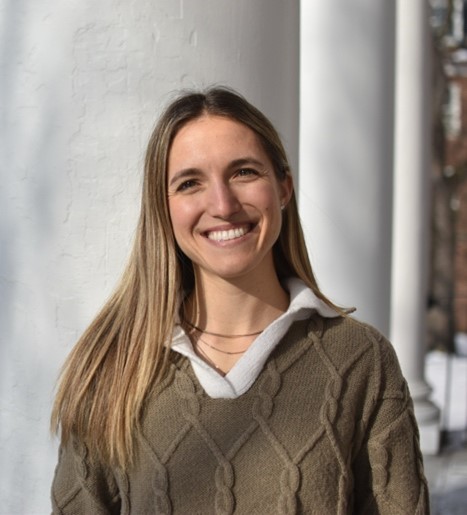
Katie Silvestri (she/her) Bisexual Faculty Member
Share with us a part of your coming out experience.
I knew I was bi for a long time, but never felt like I could tell anyone. It was confirmed when (of course), I fell for my best friend at the time (she never knew; still doesn’t). There was a lot of drama in my closest friend group around our sexual orientations in high school, so it didn’t feel like a good idea to come out then. I had been in relationships with guys my whole life, perhaps out of fear of what it could mean socially if I was attracted to women. However, when you are with a person you trust, it becomes easier to be yourself. I came out to the person I am now married to when we were first engaged and had recently adopted our cats. This relationship was for real, and I figured that it was time for me to start living my truth, one step at a time.
What does National Coming Out Day mean to you, personally?
It’s a time to celebrate ourselves and our queer community.
If you could go back and give yourself one piece of advice before coming out, what would it be?
I would give myself this advice for all facets of my life, but especially with respect to coming out - be brave. I wish I had come out sooner, and I wish I would have told my crush that I liked her.
What responsibilities do higher education institutions (including the administration, faculty, staff, and students therein) have in supporting the LGBTQ+ community?
As a faculty member, it is important to be not only a safe person for students to talk to about the matters that face the queer community, but also to find kinship with one another as professionals on this campus. I love the community we have here on this campus. We are vibrant and awesome.
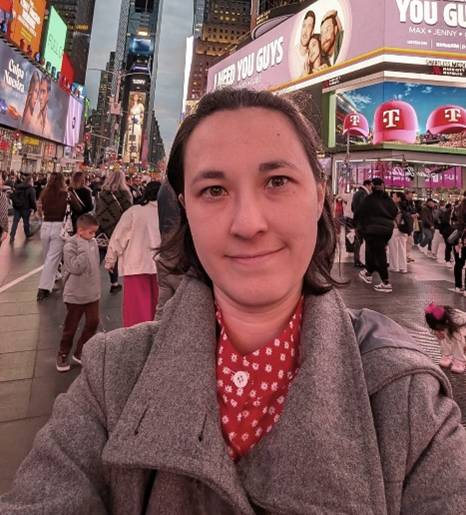
Paige Crittela Staff Member and Member of the LGBTQ+ Community
What does National Coming Out Day mean to you, personally?
I do not have an official coming out story. My journey began with having very supportive family and friends that were there with me along the way. Having the courage and support from those around me helped me be who I was and made me comfortable to be with anyone I wanted to be with. Having played sports growing up really brought out a sense of confidence in me, through the support I had with my teammates and community. Having a circle of inclusiveness and others like me, helped me shape who I was, and inspired me to keep diving into and experiencing a part of me that was always there, I just needed the platform and experiences to do it.
What does National Coming Out Day mean to you, personally?
National Coming Out Day means you are being unapologetically you every single day. You are choosing your own happiness over anyone else's. It takes bravery, pride, confidence, courage and self love to be who you were always meant to be without worrying what other's may view you as. Having a supportive circle of family and friends has always made my experience feel fulfilling and purposeful. It means you won, because you are choosing your own happiness and living a life worth living in the way you were always meant to.
If you could go back and give yourself one piece of advice before coming out, what would it be?
Don't live a life worth regretting. Choose you everyday. Let them.
Share with us part of your coming out experience?
My first girlfriend was in Junior year of high school, and I never hid that from anyone, I couldn't be any one, other than who I was meant to be, or who I was meant to love.
Gwen Hawkins (she/her) Asexual Staff Member
Share with us a part of your coming out experience.
The first person I came out to about officially identifying as asexual is my now husband, I was putting together an Instagram post and asked him to read it and asked for his thoughts. His response was that nothing was changing and nothing was new, I had just found a name for my experience. I'm not sure what I was expecting him to say, but that was probably the most comforting and affirming response he could've given me, because he was right. I was always ace, it just took until my twenties to understand that there wasn't anything wrong with me, just that I didn't experience sexual attraction like allosexuals do.
What does the future of LGBTQ+ rights and visibility look like to you?
LGBTQIA+ rights and visibility are crucial to people being able to be their most authentic and happy selves, for people to feel like they belong, which is one of the most important aspects of life that I strive to support, belonging.
What responsibilities do higher education institutions (including the administration, faculty, staff, and students therein) have in supporting the LGBTQ+ community?
Higher education institutions are often one of the largest driving forces behind change and advocacy. Higher ed has a responsibility to support all marginalized populations and to lead as an example of what support and belonging can look like.
Sponsored by the Sexual Orientation, Gender Identity and Expression (SOGIE) Committee, the SUNY Cortland PRIDE Club, the SUNY Cortland Institutional Equity and Inclusion Office, and SUNY Cortland Auxiliary Services.
We use cookies and similar technologies to improve your website experience and help us understand how you navigate our website. By using this site, you agree to our Privacy Policy.