12/01/2026
As the SUNY Cortland Green Rep program celebrates its fifth semester on campus, the students share their thoughts and experiences through writing in different mediums on topics that motivate them and their work in sustainability.
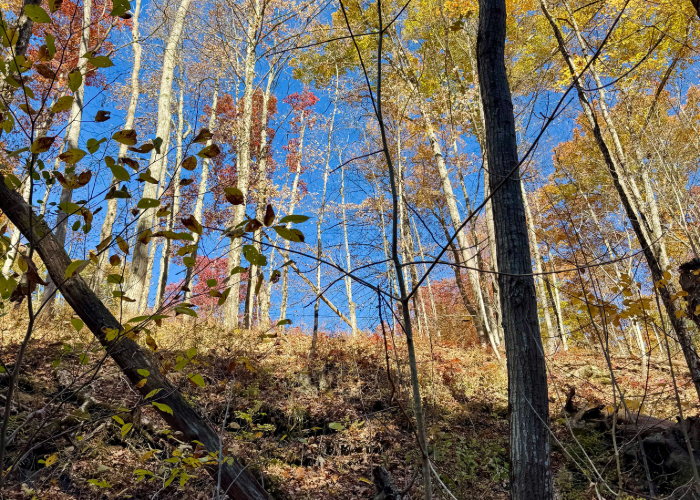
The first medium is poetry. SUNY Cortland Green Reps wrote a poem after a walk in nature, reflecting on their experience in connecting with the natural world.
November Walk
By Fiona Joss
My boots have a small hole in them.
The November chill is offset by the afternoon sun; perfect weather.
I’ve never walked this trail, and I have no expectations.
I cautiously start down the slick path.
The birds form a constant chorus in the breeze.
I match my pace to their tune, to metronome their symphony in crunching leaves.
A particularly plump squirrel scampers along as I toe along the thinning path edge.
I wonder how different it would be if I went off the path and walked lower in the ravine or higher up between the trees.
This is state land, protected and peaceful.
Blissfully unaware of the danger it faces from the ever-encroaching society outside the forest walls.
Quaint beauty that must be shared in secret for its own sake.
A world that flourishes in its seclusion.
To be seen and heard but not touched.
Photo Credit: Fiona Joss
Take that Walk, Take that Run, Take that Moment 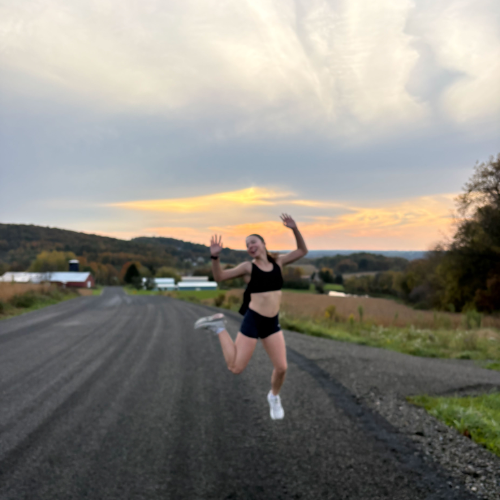
By Rowan Leddy
I peer outside my window, and I think about what the fresh breeze through my hair and the sun beaming on my skin would feel like.
As I step outside, the warmth from the sun wraps me up tight.
I think about the last time I truly stood and took in the sunlight.
I feel a sense of calm rush over me as the sunlight swallows me up.
I hear the sound of the birds' chirping and the distant barks of dogs calling their loved one’s home.
As I stroll down the quiet gravel road, I take in the sun setting, saying it’s final goodbye to the world for the night.
As I look down, I see an army of ants cross the road making their journey, maybe home for the night too.
As I decide where to turn next, I come to a crossroads, a road with a clear destination and a road with an unclear destination.
As I take the unknown road, I look to my right and see a reminder of my childhood. I see a willow tree like the one I used to swing on all summer long as the sun would go down.
As I continue down this road, I encounter a cat, a cat who is peering back at me and looking at me curiously. I wonder if he too was admiring the sunset.
I truly hope he was taking in the sunset and basking in the final moments of the beaming sun.
I hope that at least once in everyone's life they get to bask in the sun a little longer and enjoy the peace that comes with it.
All this to say, take that walk, take that run, take that moment to let it all sink in, and the calm will find you.
Photo Credit: Rowan Leddy
The second medium is through a sustainability story. This format was shared with SUNY Cortland Sustainability Office by Professor Orla Smyth-LoPiccolo of Farmingdale State College at the SUNY Sustainability Conference in June 2026. "A sustainability story is a path from a shared problem to a visible result that people can believe in, fund, use, and repeat," said Smyth-LoPiccolo in her presentation of this format.
The Green Rep Program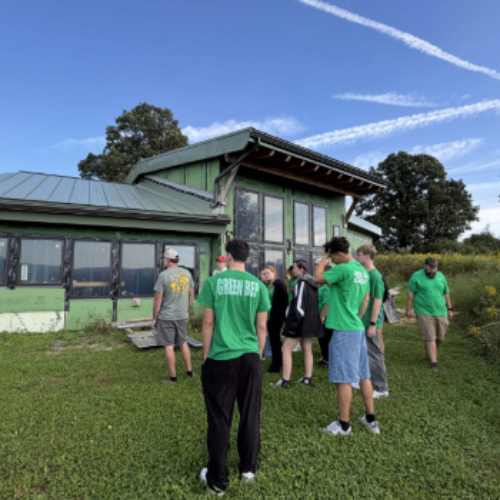
By Elon Zanetti
Colleges and universities throughout the world are working to reduce their impacts on the environment but reaching sustainability goals when students and staff are not actively engaged is extremely difficult. Even when recycling bins, energy-saving techniques, and sustainability policies are available, people may still not realize their daily actions' real effect on the environment. This creates a need for programs across campuses that encourage awareness and participation about education about people's environmental impacts.
The Green Rep Program was created to address this challenge by empowering students and making them become sustainability leaders across their campus communities. Green Reps are trained on environmental issues and sustainable practices, and then they share the information that they have with their peers through events, social media posts, and outreach activities. Instead of relying solely on hoping people know how to be sustainable, the Green Rep program lets peers interact with one another to promote things like recycling, reducing waste, and just making environmentally responsible choices as a whole.
The program's success is seen through all the different sustainability events and activities that are organized throughout the semester. These initiatives increase awareness and mindfulness of environmental issues and encourage students to take action. Participation in events and students getting engaged both increases the visibility of the sustainability efforts made by the Green Reps. Through this, we are building a culture of environmental sustainability on campus. By involving students, the idea of sustainability changes from a concept into everyday action.
One event that the Green Rep Program holds often is the Weigh the Waste event. There are Green Rep students that will stay at a dining hall all day and weigh all of the food that is being wasted. This helps students become involved because it provides a visual representation of how much food is being wasted every day in the dining halls. Seeing how much food is wasted encourages students to be more mindful of how much they take and consume. It also creates opportunities for conversations about sustainability and the environmental impacts of food waste.
The program benefits students, the campus, and the environment as a whole. Students learn leadership, communication, and organizational skills all whilst learning about how to be sustainable. The campus benefits from increased sustainability initiatives, and it makes the feeling of community grow larger when more people get involved. The environment benefits when more people reduce waste, conserve their resources, and adopt more sustainable habits. These impacts can extend beyond campus as students apply these behaviors into their future careers and even communities.
One of the most important things about the Green Rep program is its ability to be replicated. Other schools and even businesses can implement similar programs by recruiting volunteers and providing sustainability training. Due to the program relying on people and engagement instead of expensive technology, it is a cost-effective program that can be adapted to so many different settings that would definitely have a positive impact on communities and the world.
The Green Rep program demonstrates how, through educating people and getting the community involved, you can address a wider sustainability challenge. By empowering the students and making them become environmental leaders, there is meaningful change that benefits the campus community, and the environment. This success shows that sustainable practices are most effective when individuals are actively involved in promoting and supporting them.
Photo Credit: Megan Swing
Bring Your Own Cup: Our Sustainability Story
By Abhipsha Bhandari 
Last semester, the green reps got together to work on a project to reduce plastic waste at the coffee shops on our campus. Every day, hundreds of plastic cups and straws are used for only a few minutes and then thrown away which ends up in the landfill where plastic can last for hundreds of years.
So for a change, our project revolved around instead of asking for a plastic cup, students could ask the staff to fill their own reusable tumbler. We worked together with CAS and started this practice at Fuel in the Bistro first. To spread awareness, we had tabling events and gave away free reusable tumblers so students could try the idea right away with any drink of their choice.
The project has been a big success because the option is now available at every coffee location on campus. But it is still a work in progress since many students do not know they can use their own tumblers. This means our next big step is to spread awareness which we are planning to achieve by social media posts and more tabling events.
Other campuses, departments, or organizations can copy this project too. They just need better support and communication with CAS and different interactive events to make people aware about the option. With posters, social media, and free giveaways, any group can start its own reuse program!
Photo Credit: Abhipsha Bhandari & SUNY Cortland Campus Store
Student lead Native Habitat Restorations on College Campuses
By Conner Ditzler
Challenge: College campuses often become separated from nature as natural areas are lost/damaged through building construction. Cortland offers an opportunity to create a greener campus which can help students connect to the environment.
Design Response: A student-run native habitat restoration project to restore the natural habitats on campus. Students will work together to transform patches of unused lawn areas into a native wildflower area. Pollinator gardens will also be created to help support local insects and birds.
Evidence: The success of this project can be measured through observing plant growth, pollinators, diversity, and how much lawn has been turned into natural habitats. The campus will see clear evidence of improvement in the environment.
Human Value: This would help students as they will have areas outside to relax, learn, and connect to nature. Environmental science classes can use these areas for research. The campus will have improved ecosystems and may also save money on landscaping.
Transfer: This project can be done at other Colleges. Start off with a small patch of land and work your way up. Other departments, student groups, and local environmental groups can provide plants, money, and volunteers.
I feel that sustainability should not only focus on reducing the detrimental impact we have but also improve the places we live, learn, and spend our time.
Photo Credit: Conner Ditzler
As the Green Reps celebrate the end of another successful semester, the students reflect on their experiences working on campus and research other sustainability related topics near and dear to them. Below are articles from each Green Rep answering the big question: "What would you like everyone at SUNY Cortland to know?"
Hiking Mount Marcy
Kelsey Thornton 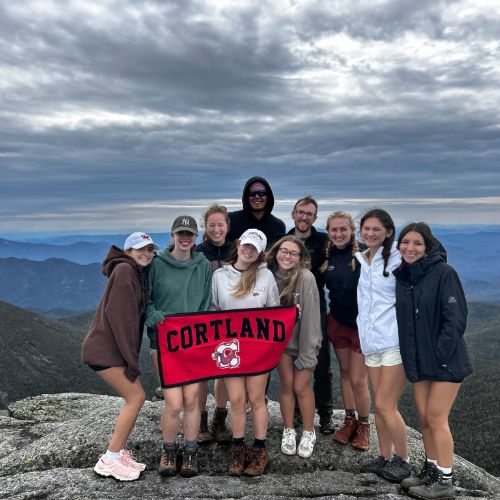
During my time at SUNY Cortland, I have had so many opportunities to combine my interests of sustainability with campus events. My love for sustainability and the outdoors has been instilled for as long as I can remember, and being from Western New York the outdoors is a big part of our community.
I had the opportunity to join this love for the outdoors and sustainable actions by taking a trip with Outdoor Pursuits last September. The trip was a weekend away in the Adirondack high peaks region to hike Mount Marcy, the highest peak in New York State. During this excursion I had the chance to practice Leave No Trace rules while using all the resources we already had to their highest potential. This 14-mile round trip hike was not easy by any means and had its fair share of difficulties along the way, but there is something about making it to the top of NYS and being able to truly appreciate the trees, environment, and air around you.
That sight is something I'll never forget. But one of the best parts of this hike was how everyone shared this common love and commitment to protect the environment. This is something that I believe everyone can do, caring for our planet not only because of what it has to offer us, but what we can do, as humans, to try to erase some of the damage we have already caused. I have learned that even the smallest changes can leave a big impact and allow people to continue to experience and protect our environment
Photo Credi: Kelsey Thornton
Why Buying New York State Food Products is Sustainable
By Caden Riegger
Buying food products made in New York State is a sustainable choice because it helps support local farmers, like the ones in Cortland County, helps reduce transportation needs and significantly benefits the local environment and economy. When people purchase food grown and produced in New York, they help reduce the overall distance that food has to travel before reaching grocery stores, local campuses and consumers. This can really help lower the amount of fuel used for transportation and reduce greenhouse gas emissions. Although transportation is only one part of a food product's environmental impact, buying locally can still help make the food system more sustainable.
Another reason buying New York State food products helps further sustainability is that it supports local farms and businesses. When consumers buy products from New York farmers, more money stays within the state and helps support local communities. This allows farmers to continue operating, employ workers, and provide fresh products to nearby residents. Supporting local agriculture also helps preserve farmland and prevents valuable agricultural land from being lost to development.
New York State produces a wide variety of agricultural products, including apples, dairy products, vegetables, grapes, and maple syrup. Purchasing these products allows consumers to enjoy fresh, locally grown food while supporting agriculture in their own state. Buying food when it is in season will also reduce the need for long-term storage and energy use.
Finally, purchasing local food helps create a stronger connection between consumers and the people who grow their food. Farmers' markets, local grocery stores, and farm stands give people opportunities to learn where their food comes from and how it is produced.
Buying New York State food products helps further sustainability because it supports local agriculture, strengthens the economy, and can reduce the environmental impact of transporting food. Making the choice to buy local is a simple way for us consumers to help create a more sustainable food system.
Photo Credit: SUNY Cortland
Sources:
- https://buylocalfoodny.org/about
- https://www.catskillmountainkeeper.org/our-programs_catskill-foodshed-initiative_buy-local-2
Ocean Acidification
By: Emma Stork 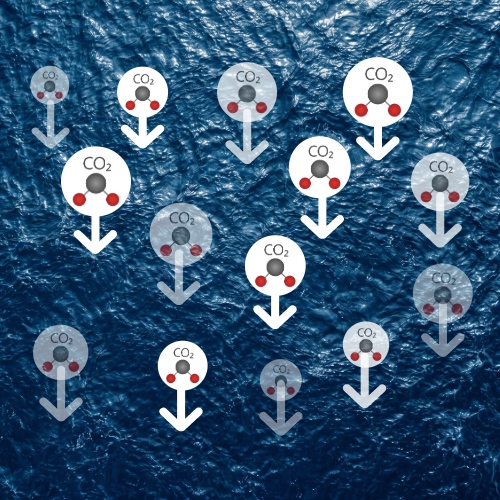
A major threat to marine ecosystems is ocean acidification, an ongoing decrease in the pH of Earth's oceans. This threat is primarily caused by humans. According to NOAA Fisheries" Over the past 200 years, the world’s oceans have absorbed more than 150 billion metric tons of carbon dioxide emitted from human activities” (NOAA). This absorption changes the chemistry of saltwater and increases its acidity.
Ocean acidification creates a serious risk for marine organisms, particularly oysters, clams, and corals. These species depend on calcium and carbonate from seawater to build their shells and skeletons. As carbonate ions become less available, these organisms struggle to survive. Ocean Acidification can also affect fish behavior. NOAA explains, “The ability of some fish, like clownfish, to detect predators is decreased in more acidic waters” (NOAA). These examples both disrupt the food web.
Although some organisms are harmed, others thrive. Algae and seagrass benefit from ocean acidification because they use CO2 to photosynthesize. This does not mean the impact is positive. Population changes can disrupt habitats and the balance of marine ecosystems. According to Smithsonian, “In the past 200 years alone, ocean water has become 30 percent more acidic—faster than any known change in ocean chemistry in the last 50 million years. In the past 200 years alone, ocean water has become 30 percent more acidic—faster than any known change in ocean chemistry in the last 50 million years” (Smithsonian Ocean).
Ocean acidification is a threat to humans by affecting seafood supply, food security, and coastal economies. Without immediate action, the risk becomes greater. To slow this process, we must reduce carbon emissions, conserve energy, limit pollution, and support clean energy policies.
Photo Credit: Megan Swing
Sources:
- https://www.fisheries.noaa.gov/insight/understanding-ocean-acidification
- https://www.noaa.gov/education/resource-collections/ocean-coasts/ocean-acidification
- https://ocean.si.edu/ocean-life/invertebrates/ocean-acidification
Baltimore's Mr. Trash Wheel
By Kira Covey
Have you ever heard of the internet sensation of Mr. Trash Wheel? If not, you are truly missing out on something awesome. There are currently 4 trash wheels located in Baltimore harbor that funnel and collect trash out of the water and into floating dumpsters that can then be disposed of properly. This has been a wildly successful project as it removes roughly 500 tons of trash and debris from the harbor each year. They had originally only started with one trash wheel but have continuously been growing up to the 4 they currently have now. This not only benefits the wildlife that lives and thrive in the harbor but also that people in the surrounding area as they now have something to be proud of.
The idea of the trash wheels works well and could be replicated in other areas easily. The trash wheels were built to run not only on hydro power but also on solar energy if the currents aren’t strong enough, making it entirely renewable energy. Also, with how the trash wheels are structured, the containment booms funnel the trash directly into its mouth where it is then lifted on to conveyor belts and into the dumpster and then disposed of properly. Another positive is the slow-moving parts of the rakes and conveyor belts being able to deter wildlife from getting trapped inside. Overall, this is a great way to help out our waterways and can hopefully continue to expand in the future, and if you haven’t checked out Mr. Trash Wheel, go check him out!
Photo Credit: Megan Swing
Sources
Beyond the Seawalls
By Rian Thomas 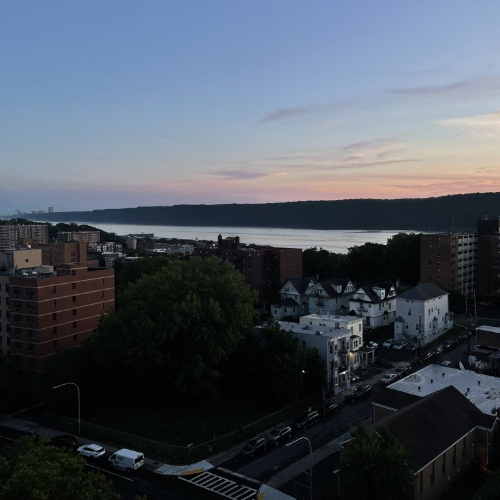
Cities are steadily investing in natural wetlands, urban forests, and green roofs as alternatives or additions to concrete seawalls to reduce the risks of flooding and heatwaves. Natural wetlands act like sponges by absorbing and storing excess rainwater, which helps prevent flooding. Urban forests and trees provide shade and lower temperatures, while green roofs absorb rainfall and help cool buildings. According to the Word Bank, these nature-based solutions can protect communities from climate risks while supporting wildlife and improving the environment.
Investing in natural solutions can also provide more long-term benefits than relying only on concrete structures. Unlike seawalls, which mainly protect against coastal flooding, wetlands, forests, and green roofs can address several environmental problems at once. They help manage stormwater, reduce extreme heat, improve air quality, and create healthier spaces for people. However, cities do not have to completely replace concrete infrastructure. Combining natural solutions with traditional flood protection can create stronger and more sustainable communities that are better prepared for climate change.
Photo Credit: Rian Thomas
Sources:
- World Bank – How the World Bank Is Unlocking Nature-Based Solutions in 100 Cities. https://blogs.worldbank.org/en/sustainablecities/unlocking-nature-based-solutions-opportunities-in-100-cities?
- IPCC – Climate Change 2022: Impacts, Adaptation and Vulnerability. https://www.ipcc.ch/report/ar6/wg2/chapter/chapter-6
Everyday Travel as a Climate Solution
By Ryan Alder 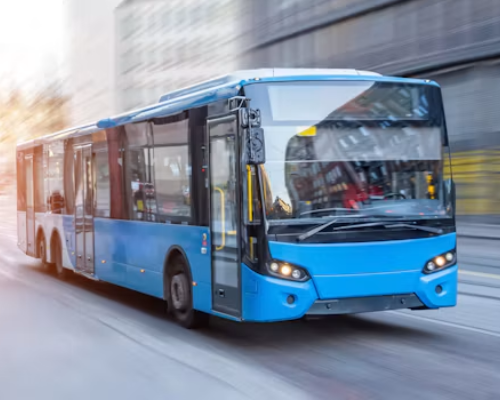
In cities around the world, fossil fuel powered vehicles make up over half of all daily trips, which increases greenhouse gas emissions, making local air quality worse, and causing traffic on city roads. To continue with a car centric infrastructure would make meeting climate goals almost impossible and would leave communities vulnerable to pollution and traffic hazards.
To make a shift from cars, cities like Amsterdam, Edinburgh, and Bogota have redesigned their transportation infrastructure. Instead of expanding roadways and adding extra lanes, they have made fixed route public transit a priority; they utilize things like subways, streetcars, and battery powered buses.
Data shows that a well-managed public transit system outperforms private vehicles, saving around 58.27 metric tons of carbon dioxide per million passenger kilometers compared to fossil fuel powered cars. Around the world, existing public transit networks already prevent 0.40 gigatons of emissions yearly. Also, shifting drivers to transit costs less overall for them as individuals. They would save $3300 per metric ton of emissions and have a 5 to 1 return on infrastructure investments.
Besides decreasing carbon emissions, public transit gives immediate human benefits. Commuters experience cleaner air, which will lower risks for cardiovascular and respiratory issues. They will also experience fewer traffic related injuries and have increased daily physical activity.
Expanded transit also allows users to be more social, and gives people access to jobs, healthcare, and education without having to invest in a car. Any campus or organization can replicate this model by focusing on accessibility and giving people incentives to use public transit. By making transit reliable and convenient, communities can turn everyday travel into a climate solution.
Photo Credit: Getty Images
Sources